
Bonbon Core and other EPP core comparison
Specification Parameters
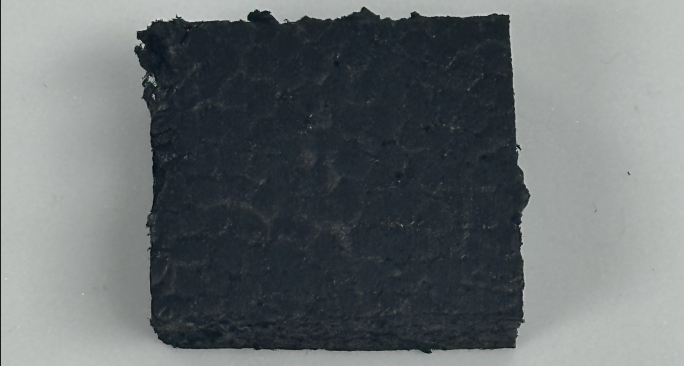 |
|
|
|
| 01 B-15-B918 |
02 S1-EPP |
03 S2-EPP |
04 S3-EPP |
| Item No:B15-B918 Size:1 in X 1 in Thickness:15.4mm Weight:1.2g, Density:121.1kg/m³ |
Item No:S1-EPP Size:1 in X 1 in Thickness:15.6mm Weight:1.6g Density:159kg/m³ |
Item No:S2-EPP Size:1 in X 1 in Thickness:15.5mm Weight:0.9g Density:90kg/m³ |
Item No:S3-EPP Size:1 in X 1 in Thickness:13.7mm Weight:1.0g Density:114kg/m³ |
Compression Unloading Force Test (25%)
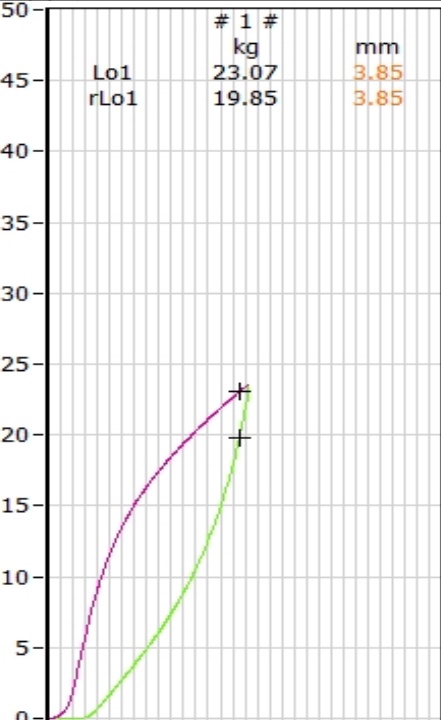
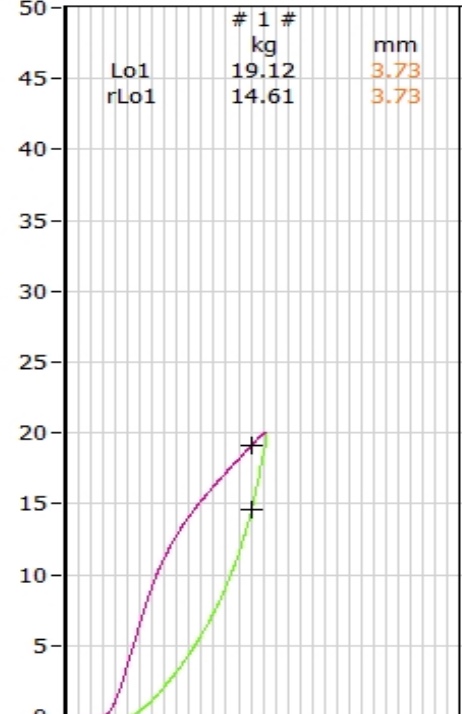
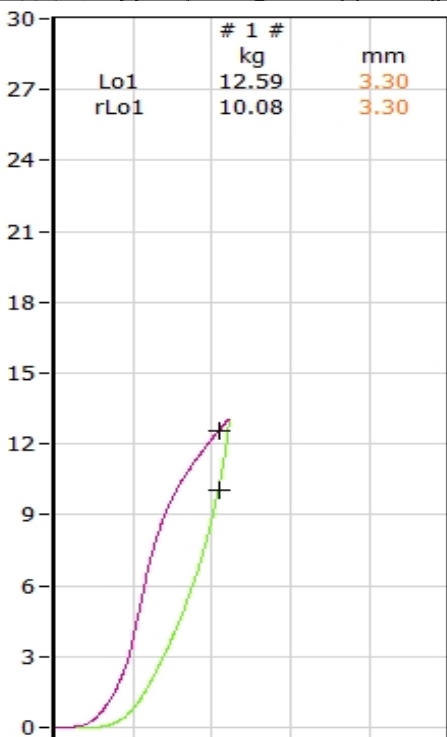
Compression Force Data (25%)
01
|
02
|
||
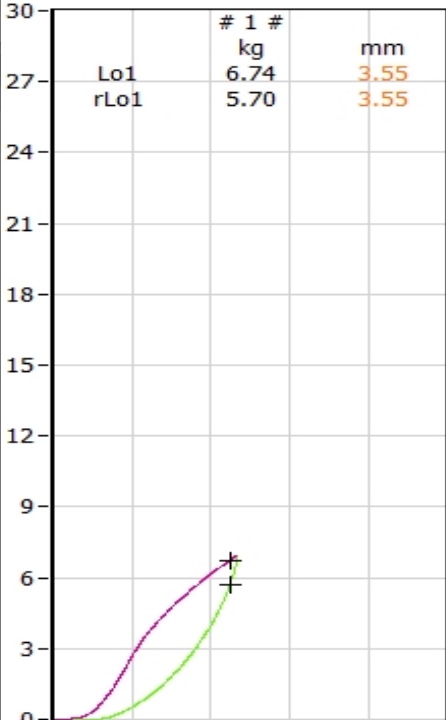
| S1 – EPP > B15 – B918 > S3 – EPP > S2 – EPP. The test data are 23.07 kg, 19.12 kg, 12.59 kg, and 6.74 kg respectively. | S1 – EPP: The molecular chains are flexible and mobile, Moreover, although its density is more than 30% higher, there are many interconnected large pores inside. When force is applied, the pores deform first to buffer, and finally the increase in compression force is less than 20%, which confirms that it has relatively large pores. | ||
 |
 |
 |
 |
| S1-EPP | B15-B918 | S3-EPP | S2-EPP |
Unloading Force Data (25%)
01
|
02
|
||
| S1 – EPP > B15 – B918 > S3 – EPP > S2 – EPP. The test data are 19.85 kg, 14.61 kg, 10.08 kg, and 5.7 kg respectively. | The density of S1 – EPP is more than 30% higher than that of other materials, and at the same time, its unloading capacity also exceeds that of other materials by more than 30%. This performance fully conforms to the law that “high – density materials can store higher energy”. | ||
|
|
|
|
| S1-EPP | B15-B918 | S3-EPP | S2-EPP |
Shock Absorption Effect
B15 – B918 > S1 – EPP > S3 – EPP > S2 – EPP, with test data being 4.51 kg, 3.22 kg, 2.51 kg, and 1.04 kg respectively.
Rebound Impact Test
Rebound Impact Force
| Material No. | Bounce Test % |
|---|---|
| B15-B918 | 33.04 |
| S1-EPP | 34.35 |
| S3-EPP | 29.35 |
| S2-EPP | 32.57 |
S1-EPP > B15-B918 > S3-EPP > S2-EPP
S1-EPP is 30% more resilient and dense than other materials, but its bounce height is only less than 5% higher. The reason is its dense but flawed structure: uneven, poorly connected cells cause stress imbalance on impact. Large cells deform to waste energy, cells can’t work together, so resilience doesn’t turn into much more bounce.


