Test distance: 3 FT (100cm)

© Copyright – Bonbon Core | design by Morcept

Comparative Study of Core Materials for Pickleball Paddles
Static Comparative / Test Analysis
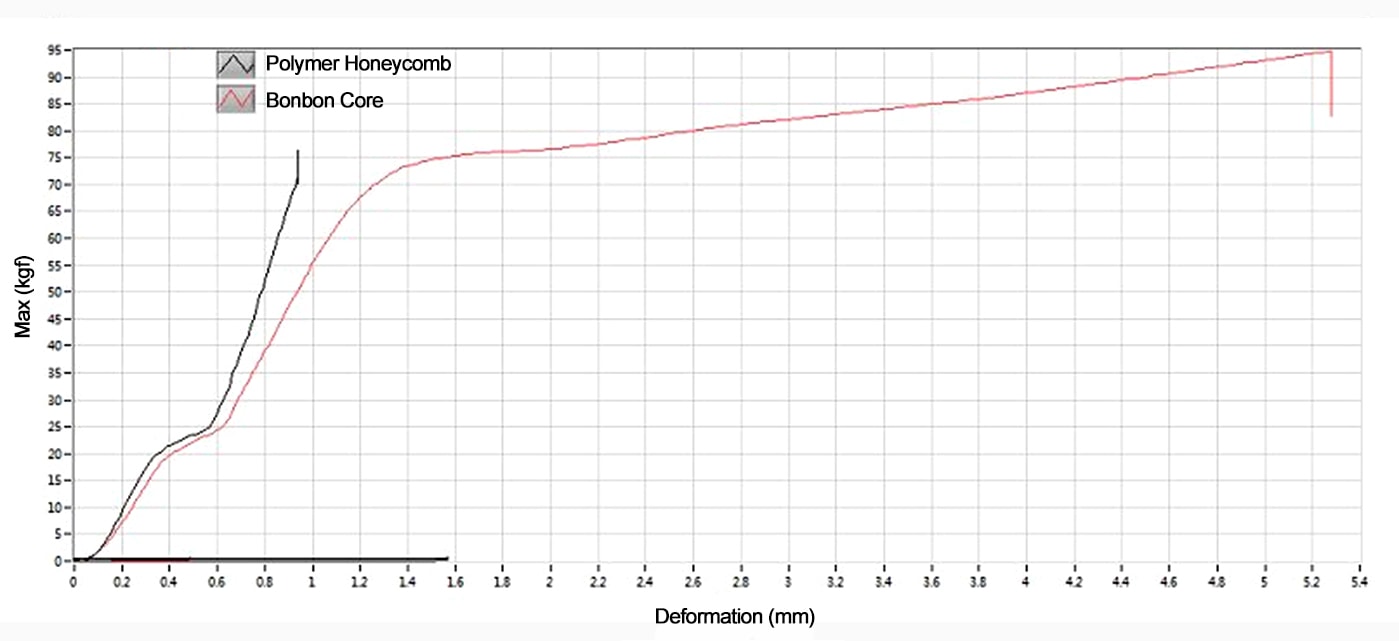
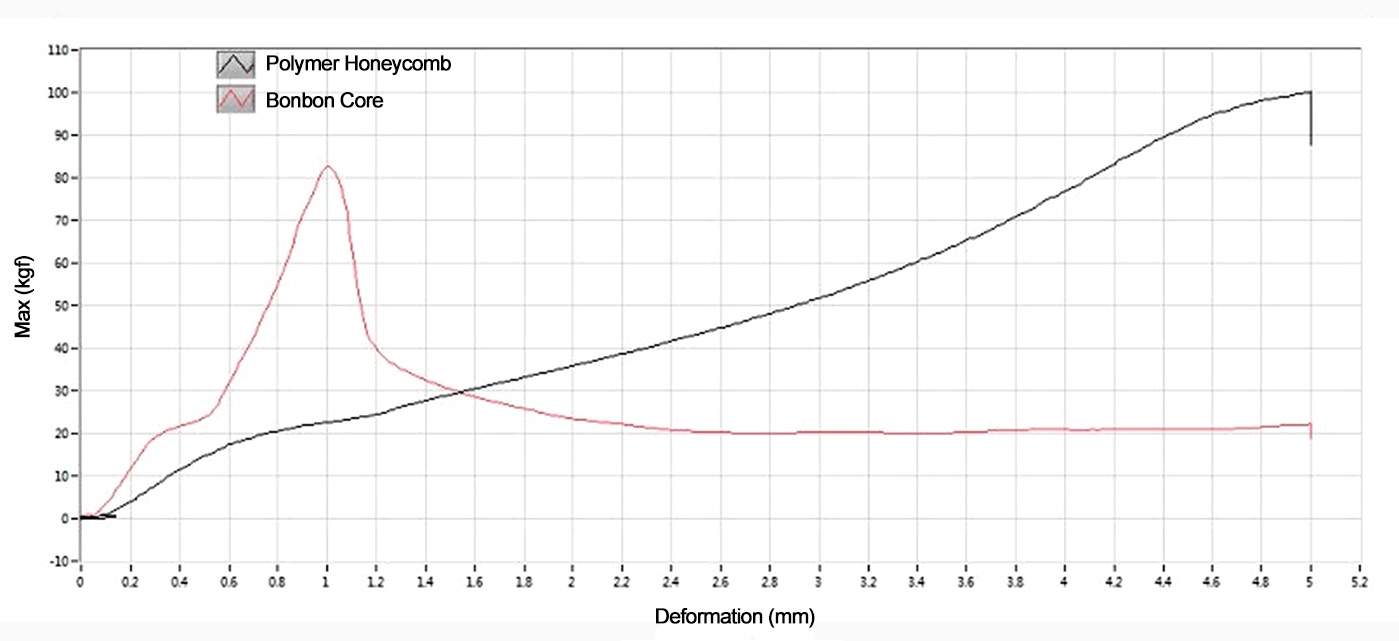
The following are impact test data for three materials.
It shows that Bonbon Core exhibits more stable deformation compared to the other two materials.
| PP Honeycomb (Made In China) | PP+ Carbon | Before Testing | After 18,000 times cannon test | The deflection increased by 17.24% after the Impact test |
| Deflection Test (≤0.005inch)(0.127MM) |
Deflection Test (≤0.005inch)(0.127MM) |
|||
| 0.097 | 0.107 | |||
| 0.08 | 0.1 | |||
| 0.084 | 0.098 | |||
| AVE | 0.087 | 0.102 | ||
|---|---|---|---|---|
| PP Honeycomb (Made In USA) | PP+ Carbon | Before Testing | After 18,000 times cannon test | The deflection increased by 8.6% after the Impact test |
| 0.085 | 0.092 | |||
| 0.079 | 0.081 | |||
| 0.08 | 0.092 | |||
| AVE | 0.081 | 0.088 | ||
| Bonbon Core | Bonbon Core+ Carbon | Before Testing | After 18,000 times cannon test | The deflection decreased by 3%. after the Impact test |
| 0.103 | 0.099 | |||
| 0.102 | 0.099 | |||
| 0.099 | 0.096 | |||
| AVE | 0.101 | 0.098 |
| Instruction | Polymer Honeycomb |
|---|---|
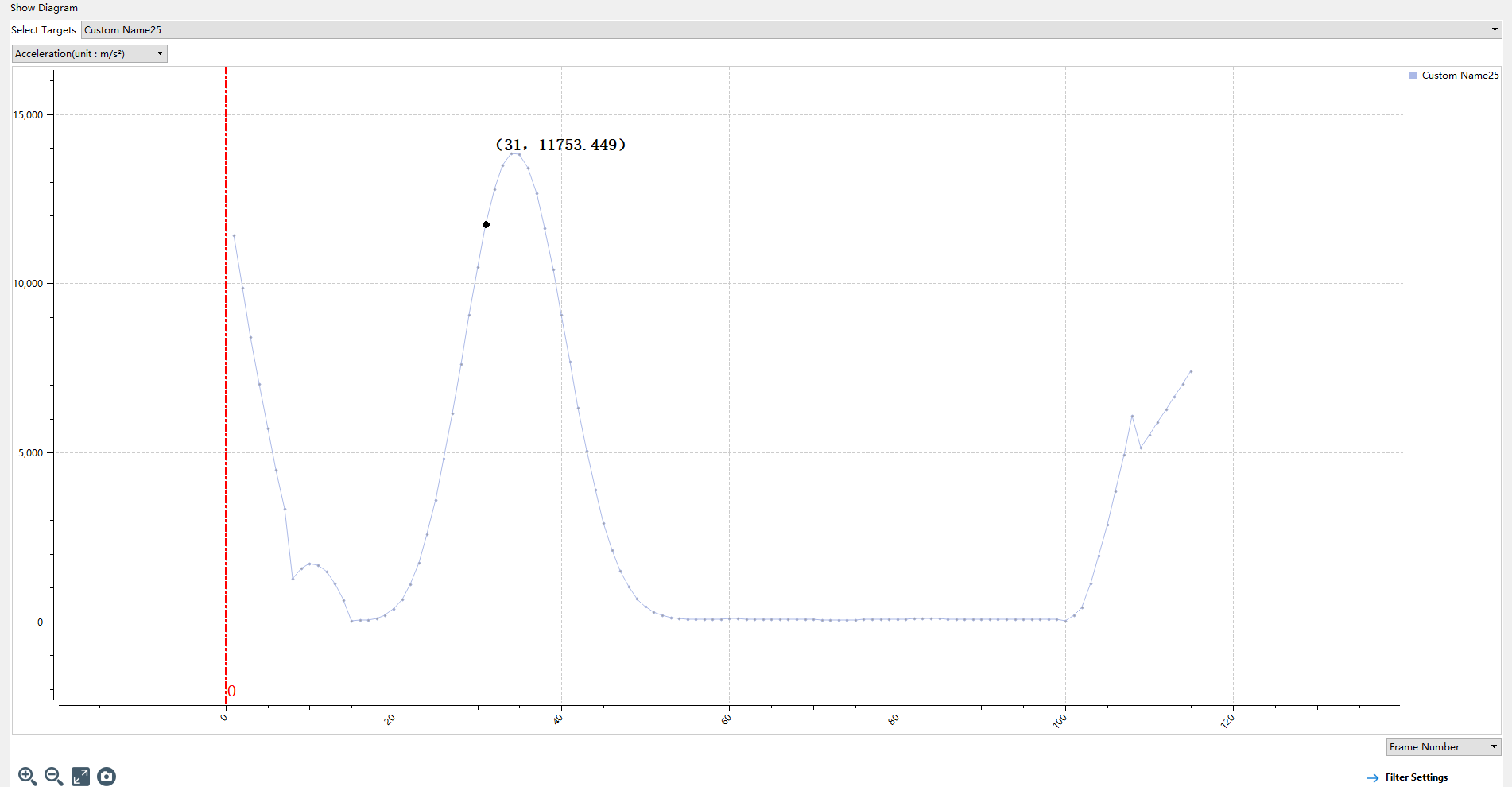
| Maximum Acceleration (m/s²) | 11,575.01 |
| Total impact Duration fps (ms) | 41 (0.0041) |
| Ball Deformation (mm) | 4.85 |
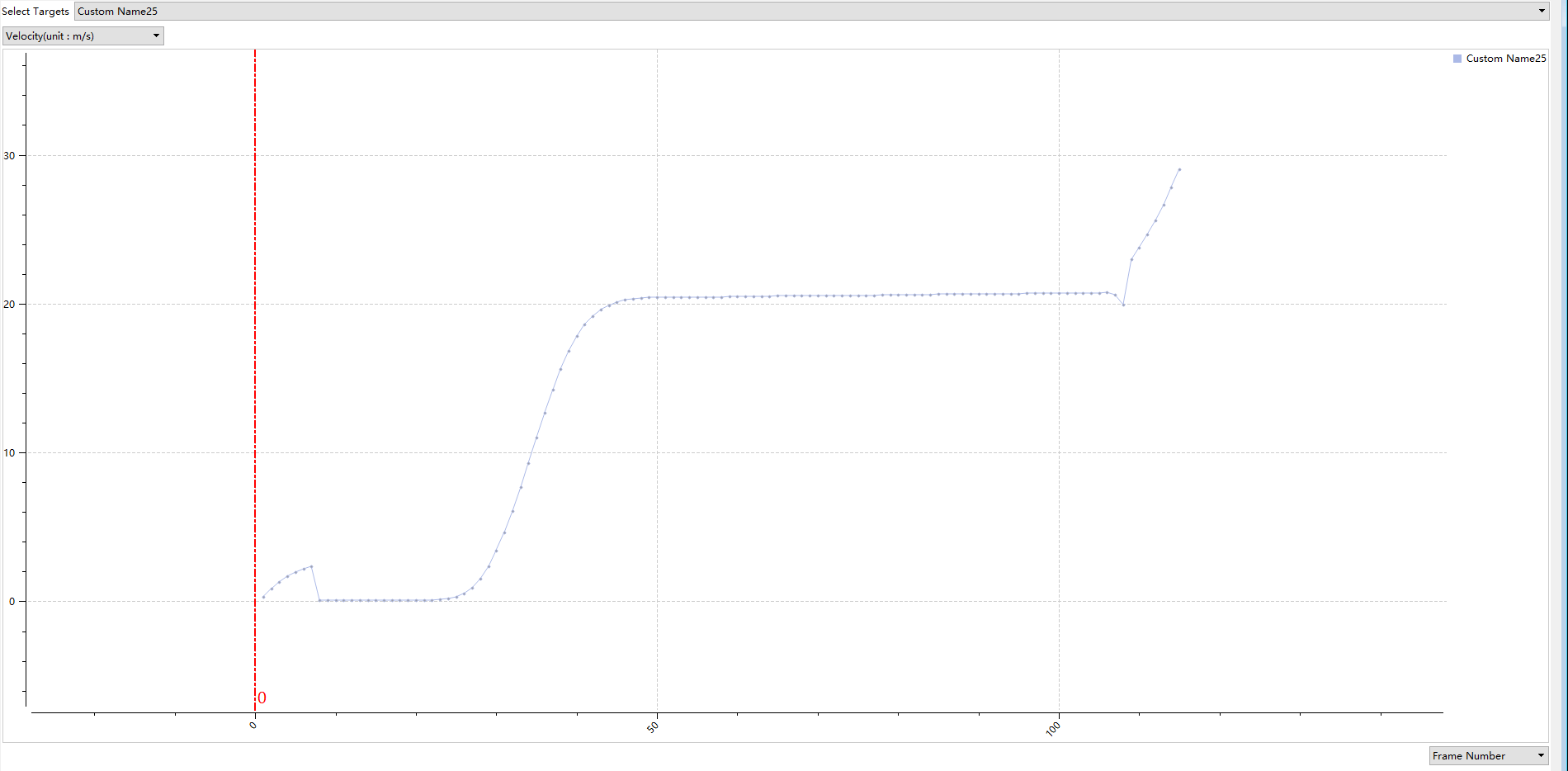
| Ball Flight Speed (m/s/kph/mph) | 20.78/74.8/46.75 |
| Instruction | Bonbon Core |
|---|---|
| Maximum Acceleration (m/s²) | 11,858.76 |
| Total impact Duration fps (ms) | 41 (0.0041) |
| Ball Deformation (mm) | 4.45 |
| Ball Flight Speed (m/s/kph/mph) | 20.92/75.3/47.1 |
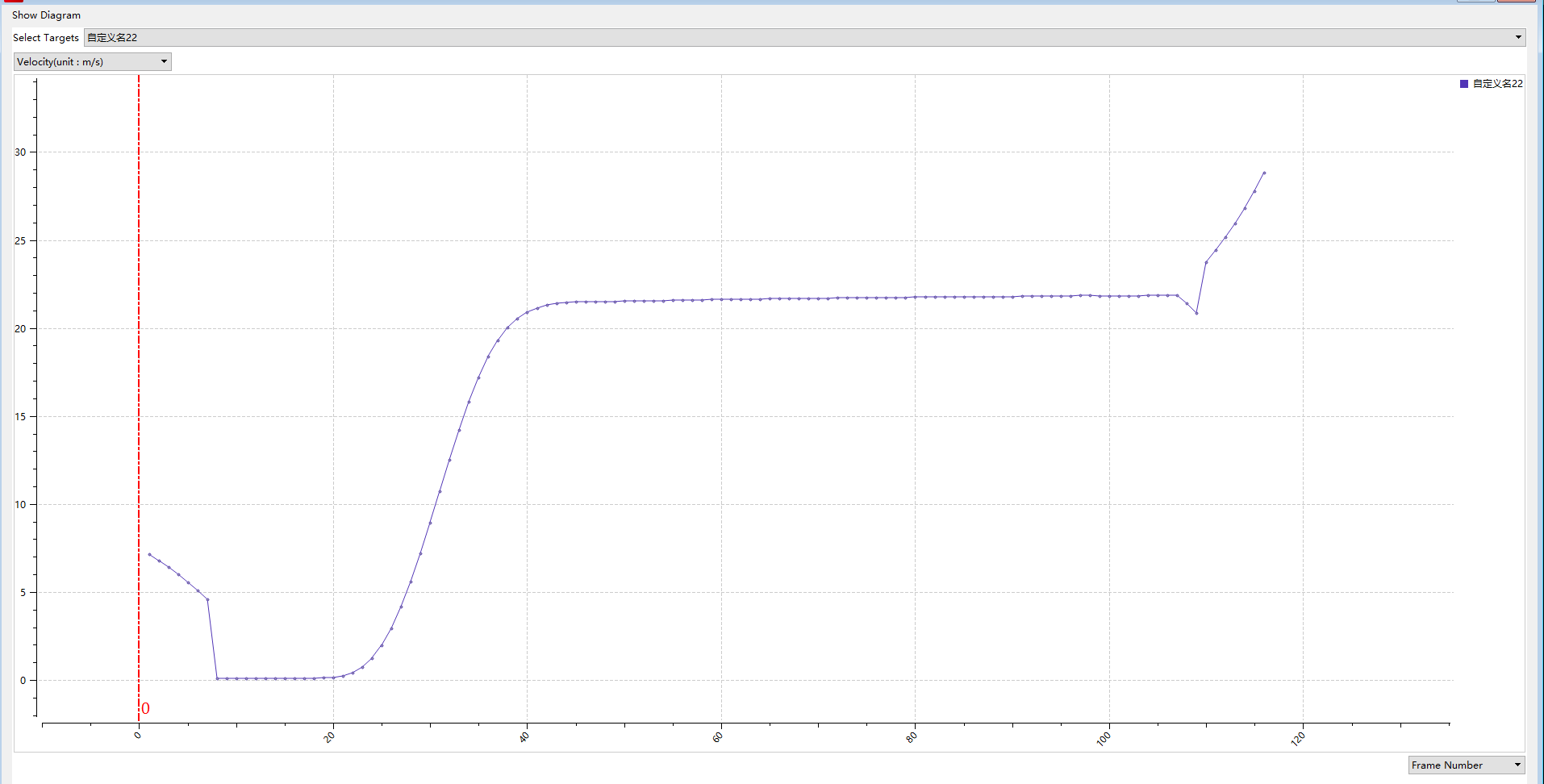
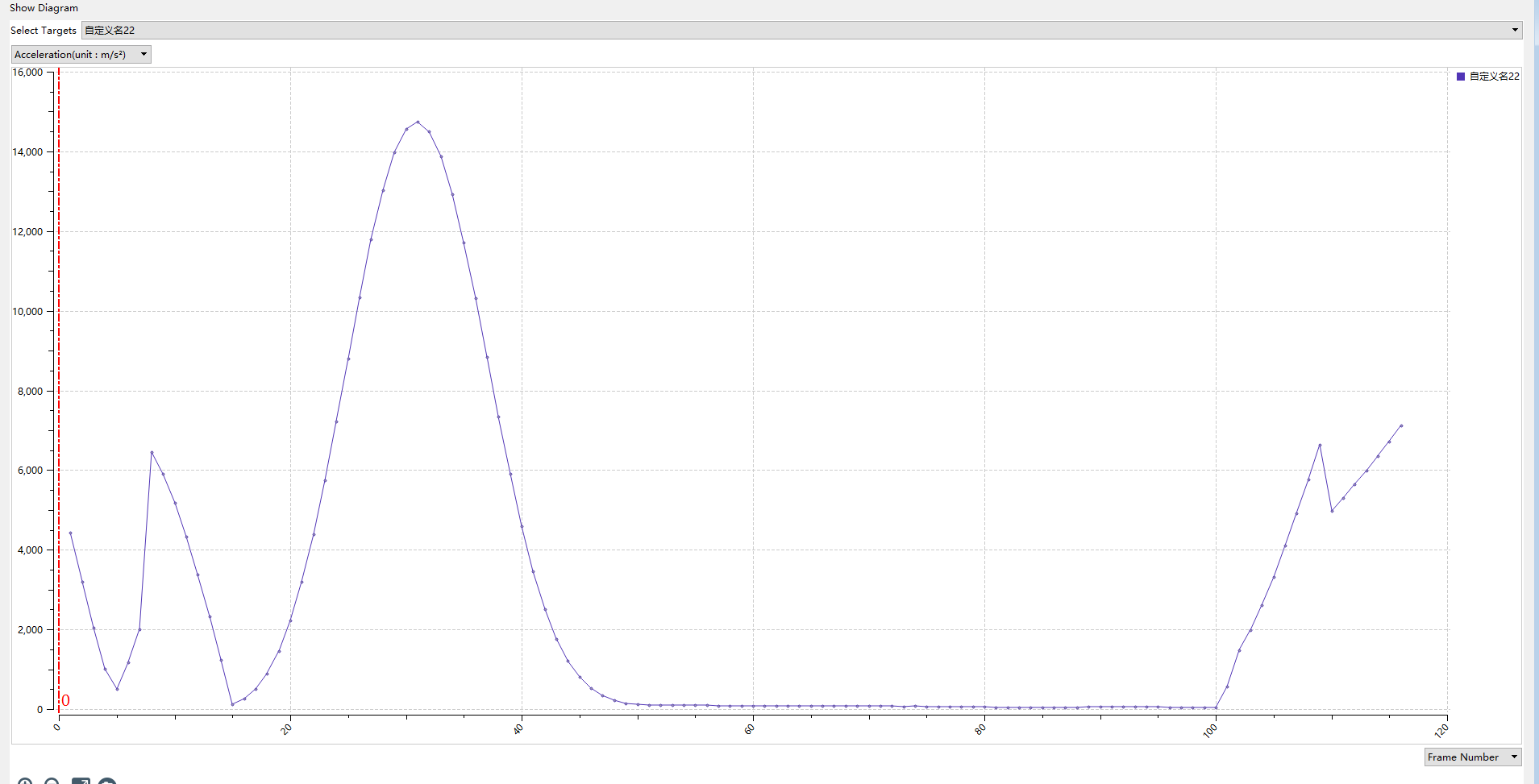
| Index | Bonbon Core | Polymer Honeycomb | Difference Analysis |
|---|---|---|---|
| Maximum Acceleration (m/s²) | 11,858.76 | 11,575.01 | Bonbon Core demonstrates higher acceleration, indicating better force absorption. |
| Total impact Duration fps (ms) | 41 (0.0041) | 41 (0.0041) | Both materials have identical impact durations. |
| Ball Deformation (mm) | 4.45 | 4.85 | Polymer Honeycomb deforms more, which may indicate lower rigidity. |
| Ball Flight Speed (m/s) | 20.92 | 20.48 | Bonbon Core exhibits higher rebound speed, reflecting better elasticity. |
| Index | Bonbon Core | Polymer Honeycomb | Difference Analysis |
|---|---|---|---|
| Impact Force (N) | 124.95 | 122.38 | Bonbon Core demonstrates higher impact force, highlighting greater load resistance. |
| Average Acceleration (m/s²) | 5,100 | 4,995 | Bonbon Core’s higher acceleration indicates greater force efficiency. |
| Kinetic Energy (J) | 5.36 | 5.13 | Bonbon Core converts more impact energy, showing superior energy management. |
© Copyright – Bonbon Core | design by Morcept


